What Makes a Western Object Worth Preserving
What Makes a Western Object Worth Preserving
Heritage Articles
Heritage Articles
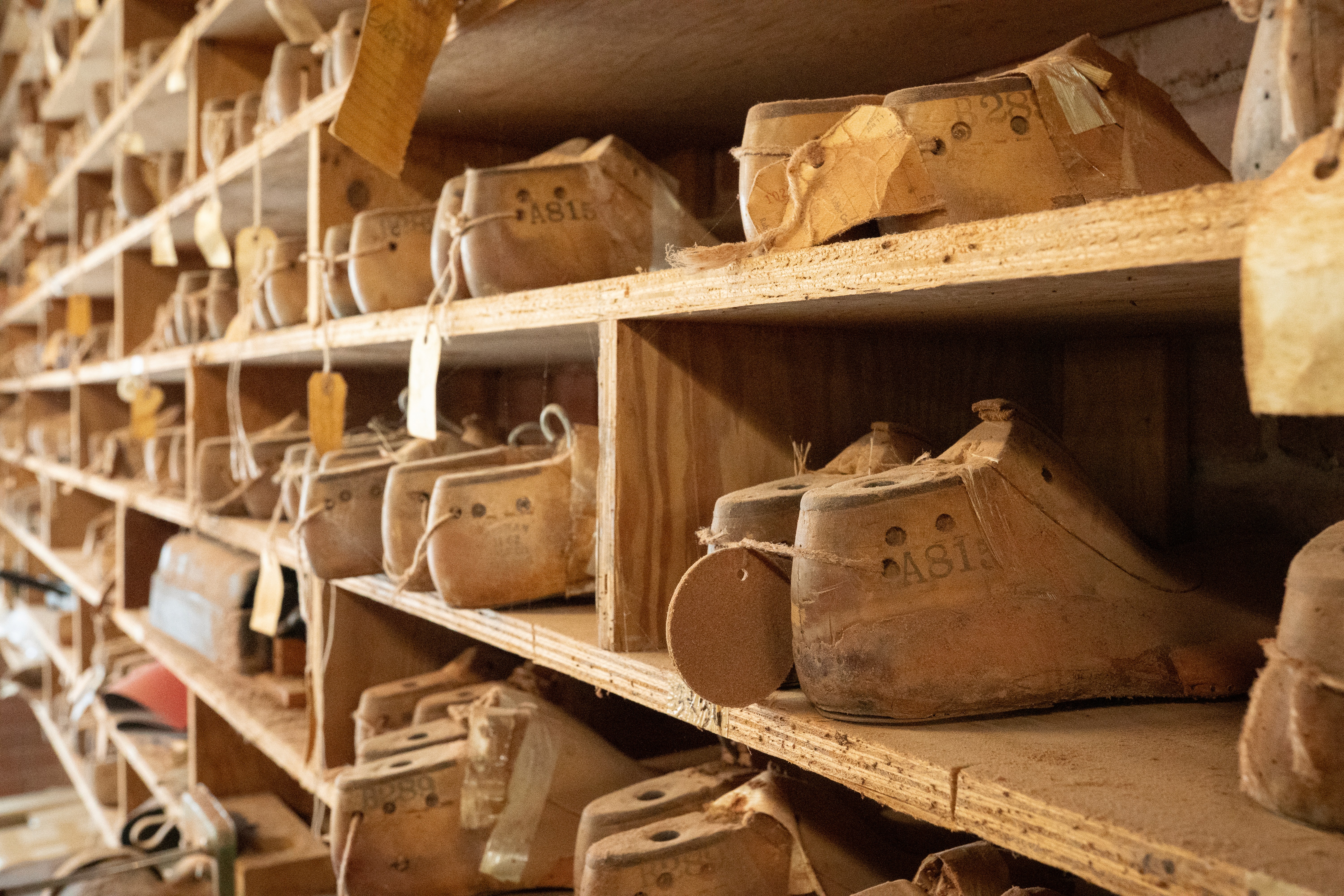
Material, method, and maker define what endures.
Material, method, and maker define what endures.
Preservation begins with understanding what was truly made and how.
On material, method, and the standards that define lasting work
Not every object from the American West is worth preserving.
Time alone does not confer significance. Age, patina, and association can suggest importance, but they do not define it. To preserve an object is to make a decision about what carries forward what holds enough meaning, knowledge, and integrity to remain relevant beyond its original moment.
In Western craft, that distinction is not always obvious.
Many objects share similar forms: saddles, bosals, spurs, buckles, leatherwork, and tools. They may appear comparable at a distance. But the difference between what endures and what fades lies beneath the surface—in how the object was made, why it was made, and what it continues to represent.
Preservation begins with recognizing that difference.
Material integrity
A Western object worth preserving begins with material.
Traditional makers selected materials based on performance, availability, and long-term durability. Rawhide was chosen for strength and responsiveness. Vegetable-tanned leather for its ability to take form, tooling, and age with character. Steel, silver, and brass for their structural and functional properties.
Material was not incidental.
It determined how an object behaved over time.
Objects made from inferior or inappropriate materials may resemble traditional work, but they lack the capacity to endure. They break down, distort, or fail under use. More importantly, they fail to carry the same relationship between form and function that defines authentic craft.
To preserve an object is, in part, to preserve the material knowledge embedded within it.
Method of making
The method by which an object is made defines its character.
Hand-cut leather tooling, braided rawhide, hand-forged metal, and traditional saddle construction techniques are not simply aesthetic choices. They are processes developed over generations to produce specific results strength, flexibility, balance, and longevity.
An object shaped through these methods carries evidence of:
time
repetition
and the decision-making of the maker
Imitation can reproduce form, but it cannot replicate process.
When the method is lost, the object becomes a surface without depth. When the method is preserved, the object retains its structural and cultural integrity.
Function and proportion
Western objects were historically shaped by use.
A bosal must balance correctly in the hand. A spur must deliver controlled communication. A saddle must distribute weight and remain stable over distance. Proportion is not arbitrary; it emerges from function.
Objects that are worth preserving maintain that relationship.
Even when no longer used in their original context, they reflect an understanding of:
scale
balance
and practical design
When proportion is distorted, whether for decoration or mass production, the object may retain its silhouette, but it loses its logic.
Preservation requires recognizing when form still follows function, and when it has become detached from it.
Evidence of the maker’s hand
A Western object gains significance through the presence of the maker.
Hand-tooled leather carries variation in depth and movement. Braided rawhide reveals tension, rhythm, and control. Forged metal shows shaping, adjustment, and finish that reflect individual judgment.
These are not imperfections.
They are records.
They document:
the process of making
the skill of the maker
and the time invested in the work
Objects that lack this evidence whether fully machine-produced or overly uniform may appear refined, but they do not carry the same record of human effort.
To preserve an object is to preserve that record.
Capacity to endure
Objects worth preserving are not only well made, but they are also capable of enduring.
Durability is not simply a matter of physical strength. It includes how an object ages, how it responds to use, and how it retains its form and function over time.
A well-made piece does not lose definition as it wears. It develops character. It remains legible as an example of its craft.
This capacity to endure is one of the clearest indicators of value.
It reflects both material choice and method of construction, two elements that cannot be separated.
Meaning beyond appearance
The final measure of a Western object is not how it looks, but what it carries.
An object worth preserving holds:
knowledge of how it was made
evidence of the discipline required to make it
and a connection to the traditions that shaped it
It represents more than itself.
In contrast, objects created primarily for appearance without grounding in material, method, or tradition may satisfy a visual expectation, but they do not contribute to preservation. They reflect style, not substance.
Preservation as a deliberate act
To preserve Western objects is to make a series of decisions.
It requires distinguishing between:
authentic craft and imitation
material integrity and substitution
function and approximation
It also requires recognizing that preservation is not passive.
It depends on continued engagement with makers, continued understanding of methods, and continued commitment to standards that define the work.
Without that effort, the objects remain, but their meaning diminishes.
The role of Provenance West
Provenance West approaches preservation through documentation, sourcing, and commissioned work grounded in the traditions of Western craft.
Each object is considered in relation to:
its material
its method
its function
and its lineage
The objective is not to collect indiscriminately, but to identify and support work that carries these qualities forward.
Preservation, in this context, is not about accumulation.
It is about continuity.
Provenance West
We document, source, and commission objects rooted in the enduring craft traditions of the American West.
Inquire About Objects and Commissions
Provenance West works with collectors and designers seeking objects grounded in authentic Western craft traditions.
On material, method, and the standards that define lasting work
Not every object from the American West is worth preserving.
Time alone does not confer significance. Age, patina, and association can suggest importance, but they do not define it. To preserve an object is to make a decision about what carries forward what holds enough meaning, knowledge, and integrity to remain relevant beyond its original moment.
In Western craft, that distinction is not always obvious.
Many objects share similar forms: saddles, bosals, spurs, buckles, leatherwork, and tools. They may appear comparable at a distance. But the difference between what endures and what fades lies beneath the surface—in how the object was made, why it was made, and what it continues to represent.
Preservation begins with recognizing that difference.
Material integrity
A Western object worth preserving begins with material.
Traditional makers selected materials based on performance, availability, and long-term durability. Rawhide was chosen for strength and responsiveness. Vegetable-tanned leather for its ability to take form, tooling, and age with character. Steel, silver, and brass for their structural and functional properties.
Material was not incidental.
It determined how an object behaved over time.
Objects made from inferior or inappropriate materials may resemble traditional work, but they lack the capacity to endure. They break down, distort, or fail under use. More importantly, they fail to carry the same relationship between form and function that defines authentic craft.
To preserve an object is, in part, to preserve the material knowledge embedded within it.
Method of making
The method by which an object is made defines its character.
Hand-cut leather tooling, braided rawhide, hand-forged metal, and traditional saddle construction techniques are not simply aesthetic choices. They are processes developed over generations to produce specific results strength, flexibility, balance, and longevity.
An object shaped through these methods carries evidence of:
time
repetition
and the decision-making of the maker
Imitation can reproduce form, but it cannot replicate process.
When the method is lost, the object becomes a surface without depth. When the method is preserved, the object retains its structural and cultural integrity.
Function and proportion
Western objects were historically shaped by use.
A bosal must balance correctly in the hand. A spur must deliver controlled communication. A saddle must distribute weight and remain stable over distance. Proportion is not arbitrary; it emerges from function.
Objects that are worth preserving maintain that relationship.
Even when no longer used in their original context, they reflect an understanding of:
scale
balance
and practical design
When proportion is distorted, whether for decoration or mass production, the object may retain its silhouette, but it loses its logic.
Preservation requires recognizing when form still follows function, and when it has become detached from it.
Evidence of the maker’s hand
A Western object gains significance through the presence of the maker.
Hand-tooled leather carries variation in depth and movement. Braided rawhide reveals tension, rhythm, and control. Forged metal shows shaping, adjustment, and finish that reflect individual judgment.
These are not imperfections.
They are records.
They document:
the process of making
the skill of the maker
and the time invested in the work
Objects that lack this evidence whether fully machine-produced or overly uniform may appear refined, but they do not carry the same record of human effort.
To preserve an object is to preserve that record.
Capacity to endure
Objects worth preserving are not only well made, but they are also capable of enduring.
Durability is not simply a matter of physical strength. It includes how an object ages, how it responds to use, and how it retains its form and function over time.
A well-made piece does not lose definition as it wears. It develops character. It remains legible as an example of its craft.
This capacity to endure is one of the clearest indicators of value.
It reflects both material choice and method of construction, two elements that cannot be separated.
Meaning beyond appearance
The final measure of a Western object is not how it looks, but what it carries.
An object worth preserving holds:
knowledge of how it was made
evidence of the discipline required to make it
and a connection to the traditions that shaped it
It represents more than itself.
In contrast, objects created primarily for appearance without grounding in material, method, or tradition may satisfy a visual expectation, but they do not contribute to preservation. They reflect style, not substance.
Preservation as a deliberate act
To preserve Western objects is to make a series of decisions.
It requires distinguishing between:
authentic craft and imitation
material integrity and substitution
function and approximation
It also requires recognizing that preservation is not passive.
It depends on continued engagement with makers, continued understanding of methods, and continued commitment to standards that define the work.
Without that effort, the objects remain, but their meaning diminishes.
The role of Provenance West
Provenance West approaches preservation through documentation, sourcing, and commissioned work grounded in the traditions of Western craft.
Each object is considered in relation to:
its material
its method
its function
and its lineage
The objective is not to collect indiscriminately, but to identify and support work that carries these qualities forward.
Preservation, in this context, is not about accumulation.
It is about continuity.
Provenance West
We document, source, and commission objects rooted in the enduring craft traditions of the American West.
Inquire About Objects and Commissions
Provenance West works with collectors and designers seeking objects grounded in authentic Western craft traditions.
Pages
Home
About
Heritage Editions
Resources
Craft Traditions
Contact Us
Privacy Policy
Pages
Home
About
Heritage Editions
Resources
Craft Traditions
Contact Us
Privacy Policy
Pages
Home
About
Heritage Editions
Resources
Craft Traditions
Contact Us
Privacy Policy