The Distance Around the Maker
The Distance Around the Maker
Heritage Articles
Heritage Articles
Why Access May Determine the Future of the Craft
Why Access May Determine the Future of the Craft
Preservation begins with understanding what was truly made and how.
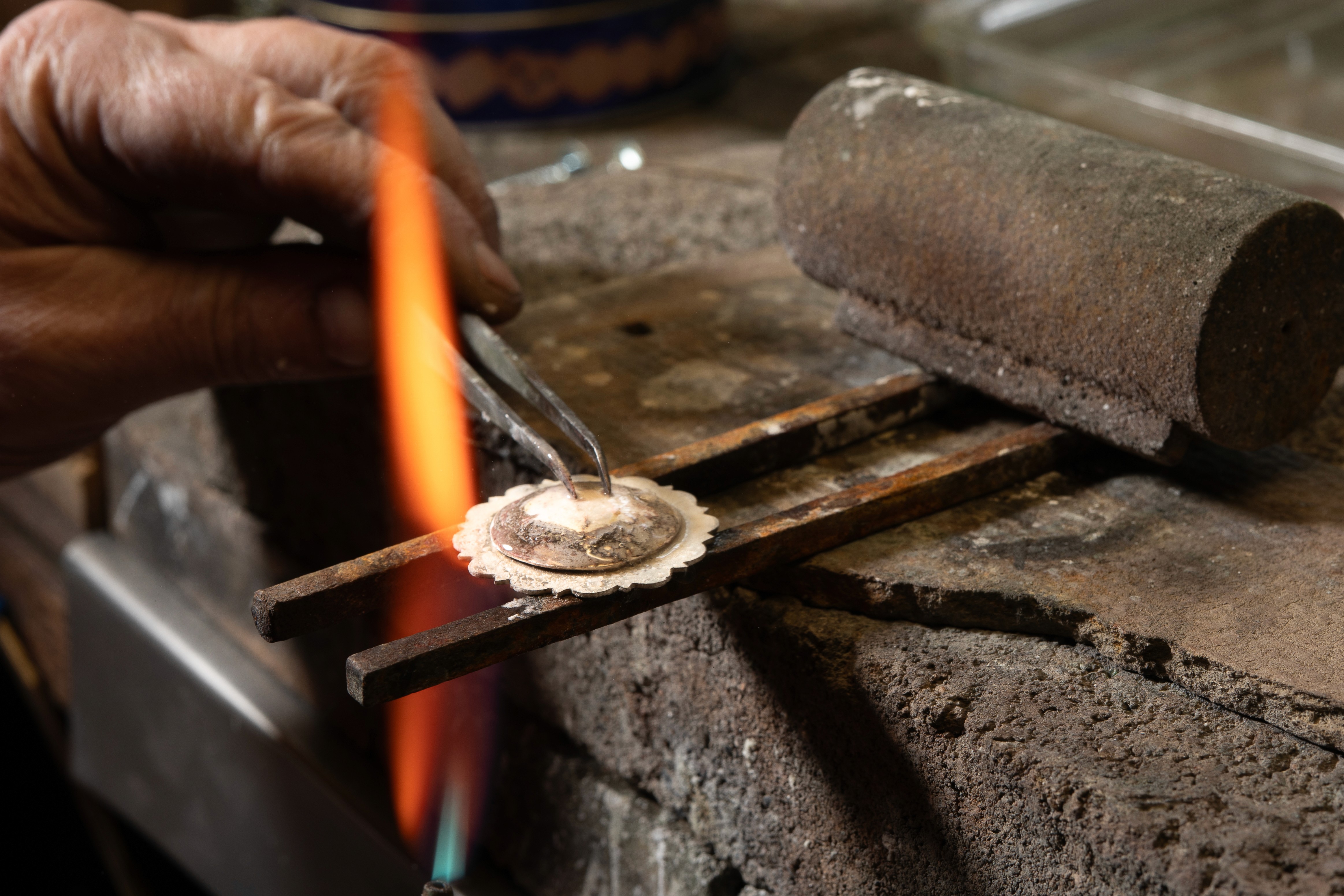
There is a quiet distance around a true maker.
Not measured in miles, but in access.
You can find the work. You can study the surface. You can even recognize the real vs. the imitation if you know what to look for. But reaching the maker is something else entirely.
Proximity and Its Loss
For generations, Western craft was built on proximity. Knowledge was observed, corrected, repeated, and passed forward through presence. A technique was not merely explained it was watched, practiced, and earned.
Today, that proximity has narrowed.
Many master craftsmen have become difficult to reach not out of indifference, but out of necessity. They have seen their work imitated, their pricing questioned, and their techniques reduced to appearance rather than understood as discipline.
So they protect it.
Access is guarded. Conversations are limited. Trust is extended slowly, if at all.
A Personal Observation
My own experience has been that responses and trust are hard to come by.
Interest does not always lead to dialogue.
Respect does not always lead to access.
There is a distance now between the work and those who are trying, sincerely, to understand it.
And that distance is not accidental.
The Market Response
When the real thing becomes difficult to access, the market does not wait.
The buyer who cannot reach a craftsman can reach a manufacturer in minutes.
The collector who cannot get a response will find an alternative.
The admirer who cannot learn will settle for what appears close enough.
Not because they prefer it but because that is what is readily available.
A hand-tooled panel, when understood, carries the decisions of its maker in every cut, depth, pressure, rhythm, restraint. But without access to the maker, most will only ever see the machined made imitation.
The Shift
Protection becomes distance.
Distance becomes absence.
Absence becomes substitution.
And over time, the substitute begins to define the standard.
In protecting the craft, some have unintentionally limited its future.
This is not a failure of skill.
It is a failure of connection.
The Role of Provenance West
This tension is part of what led to the creation of Provenance West.
Not to replace the maker.
Not to interfere with the work.
But to act as a bridge:
Between artisans and the people who approach their work with genuine respect.
Between the objects themselves and the collectors, designers, and institutions who can recognize their value, even if they do not yet fully understand it.
Because there are those who can see what others miss.
They recognize the difference between decoration and discipline.
Between surface and structure.
Between something made and something authored.
But without access, even they are left outside the process.
The future of Western craftsmanship does not depend on exposure alone.
It depends on balance.
To protect the integrity of the work, without removing it entirely from view.
To maintain standards without becoming unreachable.
Because if the distance becomes too great, the outcome is not preservation.
It is replacement.
Quiet. Gradual. Unnoticed.
Until what remains are cheap imitations that no longer carries the hand that created the art itself.
Commissioning work rooted in true Western craft
Provenance West works to document, source, and commission objects grounded in the enduring craft traditions of the American West.
For collectors, designers, and clients seeking leatherwork with historical depth and material integrity, we develop commissioned studies and objects that honor the language of authentic hand craft.
Inquire about:
custom leather panel studies
archival display pieces
Western craft commissions
sourcing and advisory for heritage leatherwork
To inquire, contact Provenance West through our Contact page
Provenance West
We document, source, and commission objects rooted in the enduring craft traditions of the American West.
There is a quiet distance around a true maker.
Not measured in miles, but in access.
You can find the work. You can study the surface. You can even recognize the real vs. the imitation if you know what to look for. But reaching the maker is something else entirely.
Proximity and Its Loss
For generations, Western craft was built on proximity. Knowledge was observed, corrected, repeated, and passed forward through presence. A technique was not merely explained it was watched, practiced, and earned.
Today, that proximity has narrowed.
Many master craftsmen have become difficult to reach not out of indifference, but out of necessity. They have seen their work imitated, their pricing questioned, and their techniques reduced to appearance rather than understood as discipline.
So they protect it.
Access is guarded. Conversations are limited. Trust is extended slowly, if at all.
A Personal Observation
My own experience has been that responses and trust are hard to come by.
Interest does not always lead to dialogue.
Respect does not always lead to access.
There is a distance now between the work and those who are trying, sincerely, to understand it.
And that distance is not accidental.
The Market Response
When the real thing becomes difficult to access, the market does not wait.
The buyer who cannot reach a craftsman can reach a manufacturer in minutes.
The collector who cannot get a response will find an alternative.
The admirer who cannot learn will settle for what appears close enough.
Not because they prefer it but because that is what is readily available.
A hand-tooled panel, when understood, carries the decisions of its maker in every cut, depth, pressure, rhythm, restraint. But without access to the maker, most will only ever see the machined made imitation.
The Shift
Protection becomes distance.
Distance becomes absence.
Absence becomes substitution.
And over time, the substitute begins to define the standard.
In protecting the craft, some have unintentionally limited its future.
This is not a failure of skill.
It is a failure of connection.
The Role of Provenance West
This tension is part of what led to the creation of Provenance West.
Not to replace the maker.
Not to interfere with the work.
But to act as a bridge:
Between artisans and the people who approach their work with genuine respect.
Between the objects themselves and the collectors, designers, and institutions who can recognize their value, even if they do not yet fully understand it.
Because there are those who can see what others miss.
They recognize the difference between decoration and discipline.
Between surface and structure.
Between something made and something authored.
But without access, even they are left outside the process.
The future of Western craftsmanship does not depend on exposure alone.
It depends on balance.
To protect the integrity of the work, without removing it entirely from view.
To maintain standards without becoming unreachable.
Because if the distance becomes too great, the outcome is not preservation.
It is replacement.
Quiet. Gradual. Unnoticed.
Until what remains are cheap imitations that no longer carries the hand that created the art itself.
Commissioning work rooted in true Western craft
Provenance West works to document, source, and commission objects grounded in the enduring craft traditions of the American West.
For collectors, designers, and clients seeking leatherwork with historical depth and material integrity, we develop commissioned studies and objects that honor the language of authentic hand craft.
Inquire about:
custom leather panel studies
archival display pieces
Western craft commissions
sourcing and advisory for heritage leatherwork
To inquire, contact Provenance West through our Contact page
Provenance West
We document, source, and commission objects rooted in the enduring craft traditions of the American West.
Pages
Home
About
Heritage Editions
Resources
Craft Traditions
Contact Us
Privacy Policy
Pages
Home
About
Heritage Editions
Resources
Craft Traditions
Contact Us
Privacy Policy
Pages
Home
About
Heritage Editions
Resources
Craft Traditions
Contact Us
Privacy Policy