Why Provenance West Was Created
Why Provenance West Was Created
Heritage Articles
Heritage Articles
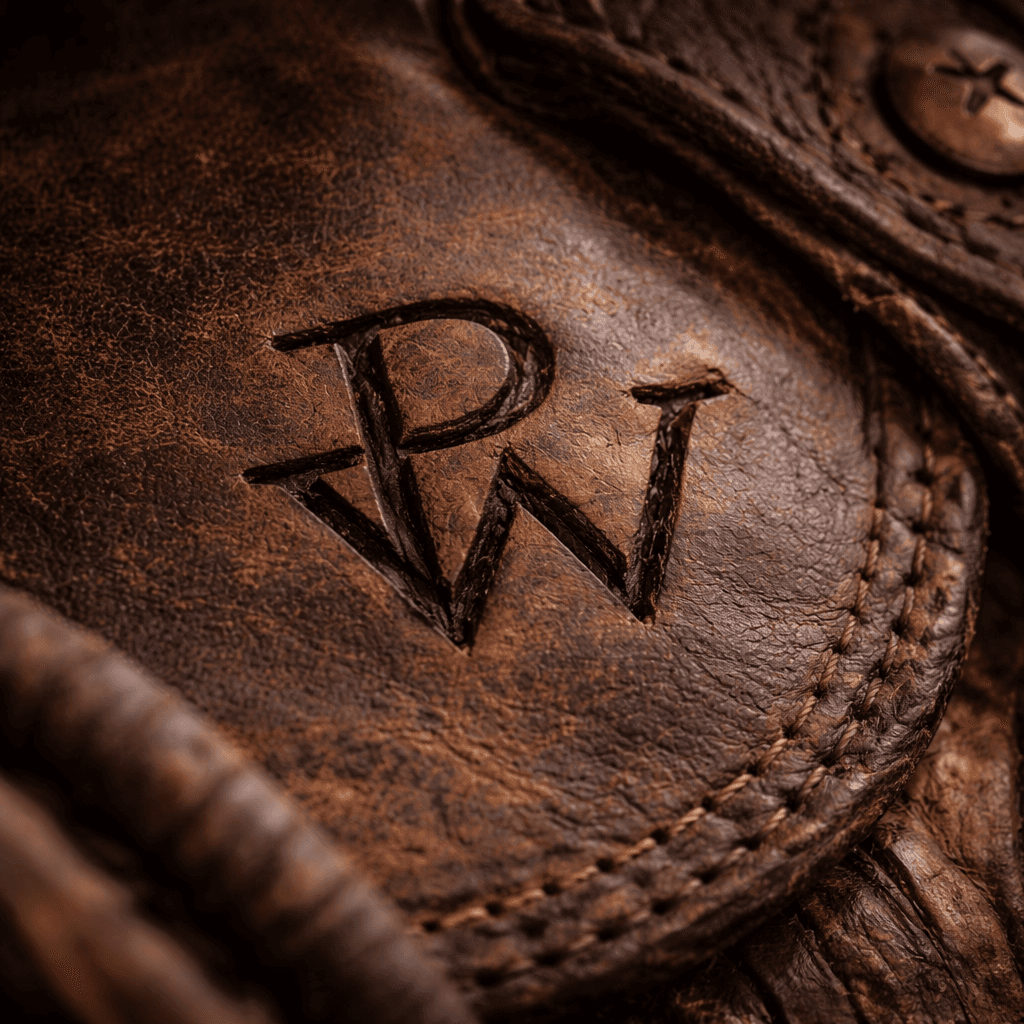
Provenance West was created
to preserve the craft traditions of the
American West.
Provenance West was created
to preserve the craft traditions of the
American West.
On preservation, makers, and the objects that carry the American West forward
Provenance West was not created to sell objects.
It was created in response to a growing absence, one that is not immediately visible, but increasingly difficult to ignore.
Across the American West, the objects that once defined daily life like saddles, bosals, spurs, leatherwork, forged hardware are still present. They can be found in shops, collections, and increasingly, in carefully styled interiors.
But something essential has begun to separate from them.
The knowledge behind their making.
The distance between object and understanding
In earlier generations, these objects were not interpreted, they were understood.
A saddle was evaluated by how it fit, how it wore, how it held under strain. A bosal was judged by its balance, its braid, its response in the hand. A spur was not decorative; it was a tool shaped by both function and restraint.
These were not stylistic decisions.
They were the result of lived experience, repetition, and necessity.
Today, many of these same objects are encountered without that context.
They are collected, displayed, and reproduced often with great visual accuracy but with less connection to the disciplines that gave them meaning. The result is a growing divide between appearance and understanding.
Objects remain.
Knowledge fades.
The risk of imitation without context
Traditional methods become less visible; imitation becomes more convincing.
Modern production can replicate the surface language of Western craft: the floral patterns of leather tooling, the silhouette of a buckle, the form of a braided rein. To the untrained eye, the difference between authentic work and reproduction is increasingly difficult to detect.
But craftsmanship is not defined by appearance alone.
It is defined by:
method
material
proportion
discipline
and the accumulated judgment of the maker
When these elements are removed or misunderstood, what remains is not preservation, but approximation.
Over time, approximation reshapes expectation.
And expectation reshapes the market.
Without intervention, the standard quietly shifts.
The role of the maker
The American West has always depended on individuals capable of shaping material with precision and purpose.
These makers: saddle makers, braiders, silversmiths, leatherworkers, carry more than technical skill. They carry systems of knowledge developed through apprenticeship, repetition, and refinement. Their work reflects not only what an object is, but how it should be made.
That knowledge cannot be automated.
It cannot be replicated through surface alone.
And it cannot be preserved without intentional support.
To work with a maker is to engage directly with a living tradition.
To lose that connection is to reduce the object to form without meaning.
Why Provenance West exists
Provenance West was established to address this divide.
Its purpose is to document, source, commission, and preserve objects rooted in the enduring craft traditions of the American West—not as decoration, but as cultural artifacts shaped by discipline, material knowledge, and historical continuity.
This work begins with understanding.
It requires identifying the difference between imitation and authentic craft. It requires recognizing the value of time-intensive processes. And it requires placing these objects within the context of the traditions that produced them.
From that foundation, Provenance West works directly with artisans and workshops to develop objects and studies that reflect those standards.
Not interpretations.
Not approximations.
But work grounded in the language of the craft itself.
A different approach to objects
In an environment where speed and replication define much of the market, Provenance West operates differently.
It approaches objects as:
records of knowledge
expressions of regional craft
and evidence of the maker’s hand
Each piece is considered in terms of its lineage, its construction, and its relationship to the traditions it represents.
The goal is not to recreate the past, but to ensure that the standards of the past continue to exist in the present.
Continuity
The American West is often described through landscape.
But its continuity is equally shaped by the objects made to live within it.
Those objects carry more than utility.
They carry memory, adaptation, and discipline.
They reflect how individuals understood material, responded to environment, and passed knowledge forward.
Provenance West exists to ensure that this continuity is not lost, not through preservation of objects alone, but through recognition of the makers and methods that give them meaning.
Provenance West
Provenance West documents, sources, and commissions objects rooted in the enduring craft traditions of the American West.
Inquire About Commissions or Advisory
Provenance West works with collectors, designers, and clients seeking objects grounded in authentic Western craft traditions.
On preservation, makers, and the objects that carry the American West forward
Provenance West was not created to sell objects.
It was created in response to a growing absence, one that is not immediately visible, but increasingly difficult to ignore.
Across the American West, the objects that once defined daily life like saddles, bosals, spurs, leatherwork, forged hardware are still present. They can be found in shops, collections, and increasingly, in carefully styled interiors.
But something essential has begun to separate from them.
The knowledge behind their making.
The distance between object and understanding
In earlier generations, these objects were not interpreted, they were understood.
A saddle was evaluated by how it fit, how it wore, how it held under strain. A bosal was judged by its balance, its braid, its response in the hand. A spur was not decorative; it was a tool shaped by both function and restraint.
These were not stylistic decisions.
They were the result of lived experience, repetition, and necessity.
Today, many of these same objects are encountered without that context.
They are collected, displayed, and reproduced often with great visual accuracy but with less connection to the disciplines that gave them meaning. The result is a growing divide between appearance and understanding.
Objects remain.
Knowledge fades.
The risk of imitation without context
Traditional methods become less visible; imitation becomes more convincing.
Modern production can replicate the surface language of Western craft: the floral patterns of leather tooling, the silhouette of a buckle, the form of a braided rein. To the untrained eye, the difference between authentic work and reproduction is increasingly difficult to detect.
But craftsmanship is not defined by appearance alone.
It is defined by:
method
material
proportion
discipline
and the accumulated judgment of the maker
When these elements are removed or misunderstood, what remains is not preservation, but approximation.
Over time, approximation reshapes expectation.
And expectation reshapes the market.
Without intervention, the standard quietly shifts.
The role of the maker
The American West has always depended on individuals capable of shaping material with precision and purpose.
These makers: saddle makers, braiders, silversmiths, leatherworkers, carry more than technical skill. They carry systems of knowledge developed through apprenticeship, repetition, and refinement. Their work reflects not only what an object is, but how it should be made.
That knowledge cannot be automated.
It cannot be replicated through surface alone.
And it cannot be preserved without intentional support.
To work with a maker is to engage directly with a living tradition.
To lose that connection is to reduce the object to form without meaning.
Why Provenance West exists
Provenance West was established to address this divide.
Its purpose is to document, source, commission, and preserve objects rooted in the enduring craft traditions of the American West—not as decoration, but as cultural artifacts shaped by discipline, material knowledge, and historical continuity.
This work begins with understanding.
It requires identifying the difference between imitation and authentic craft. It requires recognizing the value of time-intensive processes. And it requires placing these objects within the context of the traditions that produced them.
From that foundation, Provenance West works directly with artisans and workshops to develop objects and studies that reflect those standards.
Not interpretations.
Not approximations.
But work grounded in the language of the craft itself.
A different approach to objects
In an environment where speed and replication define much of the market, Provenance West operates differently.
It approaches objects as:
records of knowledge
expressions of regional craft
and evidence of the maker’s hand
Each piece is considered in terms of its lineage, its construction, and its relationship to the traditions it represents.
The goal is not to recreate the past, but to ensure that the standards of the past continue to exist in the present.
Continuity
The American West is often described through landscape.
But its continuity is equally shaped by the objects made to live within it.
Those objects carry more than utility.
They carry memory, adaptation, and discipline.
They reflect how individuals understood material, responded to environment, and passed knowledge forward.
Provenance West exists to ensure that this continuity is not lost, not through preservation of objects alone, but through recognition of the makers and methods that give them meaning.
Provenance West
Provenance West documents, sources, and commissions objects rooted in the enduring craft traditions of the American West.
Inquire About Commissions or Advisory
Provenance West works with collectors, designers, and clients seeking objects grounded in authentic Western craft traditions.
Pages
Home
About
Heritage Editions
Resources
Craft Traditions
Contact Us
Privacy Policy
Pages
Home
About
Heritage Editions
Resources
Craft Traditions
Contact Us
Privacy Policy
Pages
Home
About
Heritage Editions
Resources
Craft Traditions
Contact Us
Privacy Policy