Craft Tradition Western Rawhide Braiding
Craft Tradition Western Rawhide Braiding
Heritage Articles
Heritage Articles
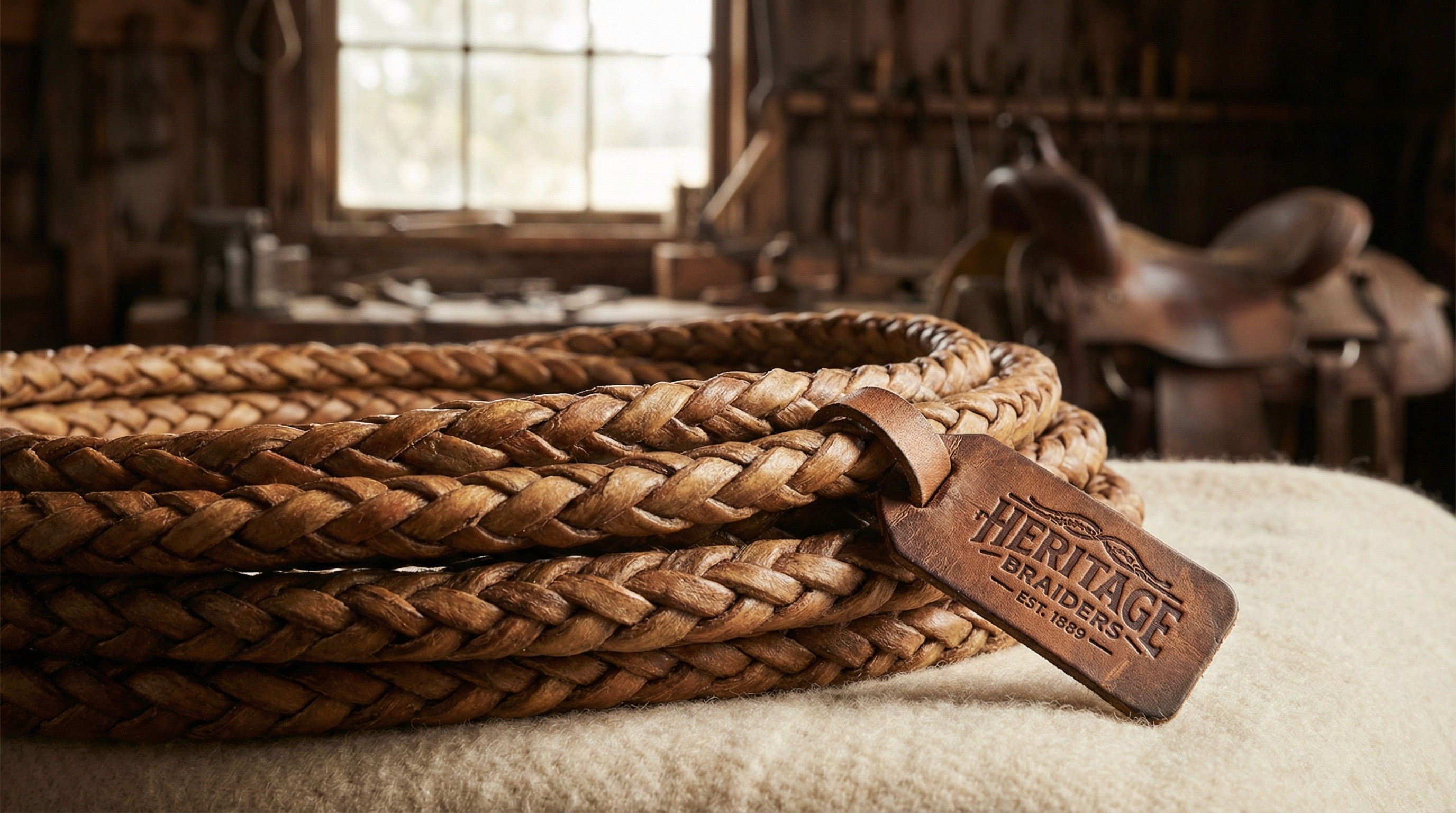
A Craft Tradition.
A Craft Tradition.
Celebrating the enduring artistry of craftsmanship across the American West.
Celebrating the enduring artistry of craftsmanship across the American West.
“The objects of the West were never only functional. They carried skill, identity, and the mark of the maker.”
“The objects of the West were never only functional. They carried skill, identity, and the mark of the maker.”
— Provenance West
A Tradition of the Western Horseman
The tradition of rawhide braiding traces its origins to Spanish horsemanship. Vaqueros developed refined methods for working cattle on horseback, and their equipment reflected a deep understanding of the partnership between horse and rider.
Braided rawhide tools became essential because they were strong, flexible, and long-lasting. When properly made, a braided piece of gear could withstand years of use on the range.
The patterns used in braiding—whether simple or highly intricate—often reflected the skill and personal style of the craftsman.
The Work of the Braider
Creating braided rawhide begins with carefully prepared strips cut from cured hide. These strands are then softened, stretched, and woven together using precise patterns that may involve four, eight, twelve, or even more strands.
The braider must maintain consistent tension, balance, and spacing throughout the process. Even small variations can affect the strength and appearance of the finished piece.
Because of this, mastering rawhide braiding requires patience and years of practice.
Preserving a Western Craft
Today, rawhide braiding continues to be practiced by dedicated craftsmen who carry forward the traditions of the vaquero and cowboy cultures of the West.
Each braided piece reflects a respect for material, skill, and heritage. It is a craft built slowly by hand, where every strand contributes to the strength and beauty of the finished work.
At Provenance West, the tradition of rawhide braiding serves as an inspiration for heritage objects that honor the enduring craftsmanship of the American West.
A Tradition of the Western Horseman
The tradition of rawhide braiding traces its origins to Spanish horsemanship. Vaqueros developed refined methods for working cattle on horseback, and their equipment reflected a deep understanding of the partnership between horse and rider.
Braided rawhide tools became essential because they were strong, flexible, and long-lasting. When properly made, a braided piece of gear could withstand years of use on the range.
The patterns used in braiding—whether simple or highly intricate—often reflected the skill and personal style of the craftsman.
The Work of the Braider
Creating braided rawhide begins with carefully prepared strips cut from cured hide. These strands are then softened, stretched, and woven together using precise patterns that may involve four, eight, twelve, or even more strands.
The braider must maintain consistent tension, balance, and spacing throughout the process. Even small variations can affect the strength and appearance of the finished piece.
Because of this, mastering rawhide braiding requires patience and years of practice.
Preserving a Western Craft
Today, rawhide braiding continues to be practiced by dedicated craftsmen who carry forward the traditions of the vaquero and cowboy cultures of the West.
Each braided piece reflects a respect for material, skill, and heritage. It is a craft built slowly by hand, where every strand contributes to the strength and beauty of the finished work.
At Provenance West, the tradition of rawhide braiding serves as an inspiration for heritage objects that honor the enduring craftsmanship of the American West.