Craft Tradition Western Maker's Mark
Craft Tradition Western Maker's Mark
Heritage Articles
Heritage Articles
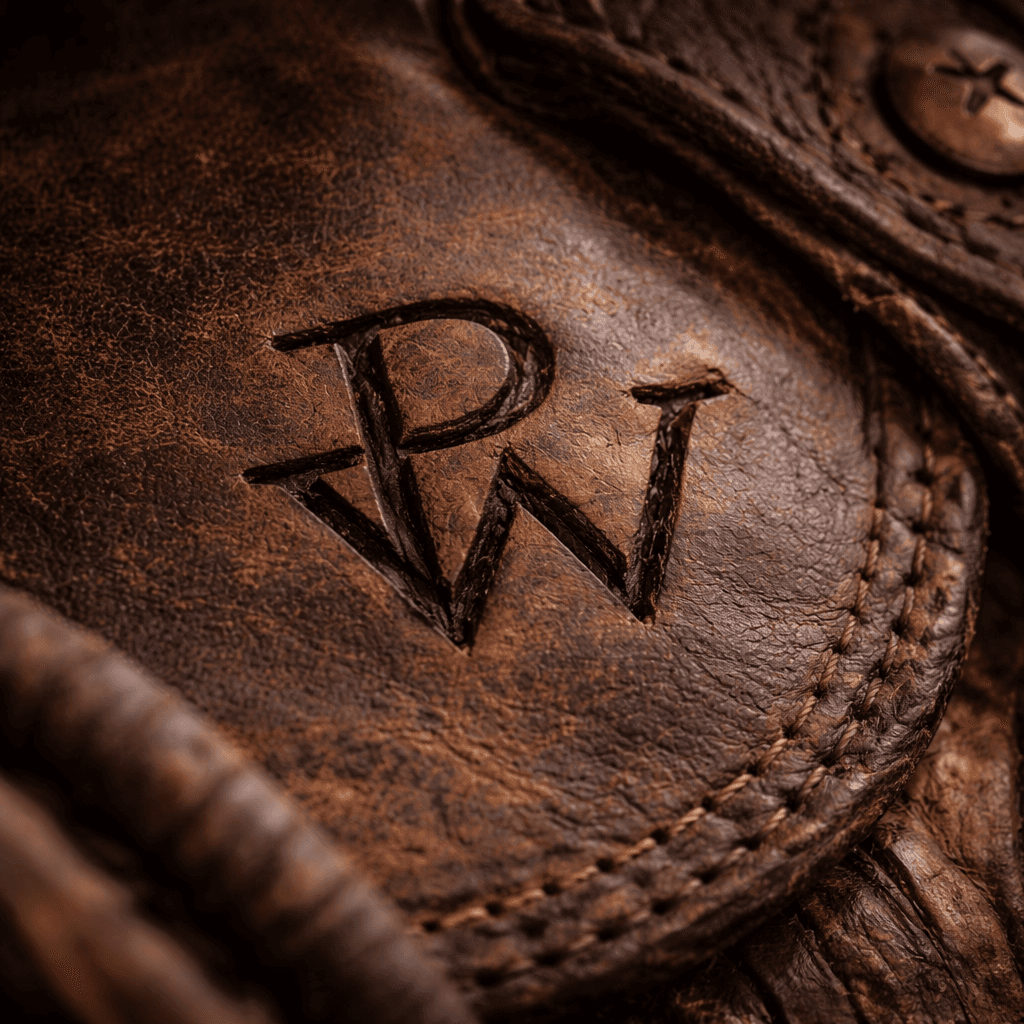
The Tradition of the Ranch Brand
The Tradition of the Ranch Brand
Celebrating the enduring artistry of craftsmanship across the American West.
Celebrating the enduring artistry of craftsmanship across the American West.
“The objects of the West were never only functional. They carried skill, identity, and the mark of the maker.”
“The objects of the West were never only functional. They carried skill, identity, and the mark of the maker.”
— Provenance West
A Mark of Ownership and Identity
Across the American West, few symbols carry as much meaning as the ranch brand. Simple in form yet powerful in significance, a brand was traditionally used to mark cattle so they could be identified across vast open ranges.
But the ranch brand became much more than a practical tool of livestock management. Over time, it evolved into a visual identity — a mark that represented a ranch, a family, and a legacy.
Much like a maker’s signature on a piece of craftsmanship, the brand became a symbol of origin and pride..
Origins on the Open Range
The tradition of branding cattle traces its roots to Spanish ranching culture. When Spanish settlers introduced cattle to the Americas, they also brought the practice of marking livestock with a heated iron.
As ranching expanded across Mexico, Texas, and the American West, brands became essential for managing herds that grazed across large, unfenced lands.
Each ranch developed its own unique brand, often registered with local authorities to prevent duplication. Over time, these marks became recognized symbols across entire regions.
A brand could be read almost like a language — with shapes, letters, and symbols arranged in distinctive ways.
The Language of the Brand
Western brands often combine letters with simple shapes such as circles, bars, hooks, and crosses. These elements create designs that are both easy to recognize and difficult to copy.
Many brands are also spoken in a special vocabulary used by ranchers.
For example:
A circle surrounding a letter might be read as “Circle P.”
A line beneath a letter might be called “P Bar.”
A tilted letter could be described as “Lazy P.”
This unique language reflects the practical ingenuity of the ranching world.
From Ranch Tool to Cultural Symbol
While branding irons were once tools of daily ranch work, the designs themselves gradually took on broader cultural meaning. Ranch brands began appearing on gates, barns, leather goods, and personal belongings.
They became symbols of Western identity — marks that represented land, heritage, and the enduring spirit of the frontier.
Even today, many ranch families still use brands that have been passed down through generations.
The Maker’s Mark
In many ways, the ranch brand functions much like a maker’s mark in traditional craftsmanship. It signals origin, responsibility, and pride in the work.
At Provenance West, the maker’s mark continues this tradition. Inspired by the language of Western ranch brands, it serves as a subtle symbol of authenticity — a quiet reminder that every heritage object carries the story of its origin.
Simple in form, yet rich in meaning, the mark stands as a tribute to the enduring traditions of the American West.
A Mark of Ownership and Identity
Across the American West, few symbols carry as much meaning as the ranch brand. Simple in form yet powerful in significance, a brand was traditionally used to mark cattle so they could be identified across vast open ranges.
But the ranch brand became much more than a practical tool of livestock management. Over time, it evolved into a visual identity — a mark that represented a ranch, a family, and a legacy.
Much like a maker’s signature on a piece of craftsmanship, the brand became a symbol of origin and pride..
Origins on the Open Range
The tradition of branding cattle traces its roots to Spanish ranching culture. When Spanish settlers introduced cattle to the Americas, they also brought the practice of marking livestock with a heated iron.
As ranching expanded across Mexico, Texas, and the American West, brands became essential for managing herds that grazed across large, unfenced lands.
Each ranch developed its own unique brand, often registered with local authorities to prevent duplication. Over time, these marks became recognized symbols across entire regions.
A brand could be read almost like a language — with shapes, letters, and symbols arranged in distinctive ways.
The Language of the Brand
Western brands often combine letters with simple shapes such as circles, bars, hooks, and crosses. These elements create designs that are both easy to recognize and difficult to copy.
Many brands are also spoken in a special vocabulary used by ranchers.
For example:
A circle surrounding a letter might be read as “Circle P.”
A line beneath a letter might be called “P Bar.”
A tilted letter could be described as “Lazy P.”
This unique language reflects the practical ingenuity of the ranching world.
From Ranch Tool to Cultural Symbol
While branding irons were once tools of daily ranch work, the designs themselves gradually took on broader cultural meaning. Ranch brands began appearing on gates, barns, leather goods, and personal belongings.
They became symbols of Western identity — marks that represented land, heritage, and the enduring spirit of the frontier.
Even today, many ranch families still use brands that have been passed down through generations.
The Maker’s Mark
In many ways, the ranch brand functions much like a maker’s mark in traditional craftsmanship. It signals origin, responsibility, and pride in the work.
At Provenance West, the maker’s mark continues this tradition. Inspired by the language of Western ranch brands, it serves as a subtle symbol of authenticity — a quiet reminder that every heritage object carries the story of its origin.
Simple in form, yet rich in meaning, the mark stands as a tribute to the enduring traditions of the American West.